

Team
Conducted industry and competitor research on the pet toy industry
Conducted exploratory testing with 2 participants
Product managed by creating deadlines and updating project progress
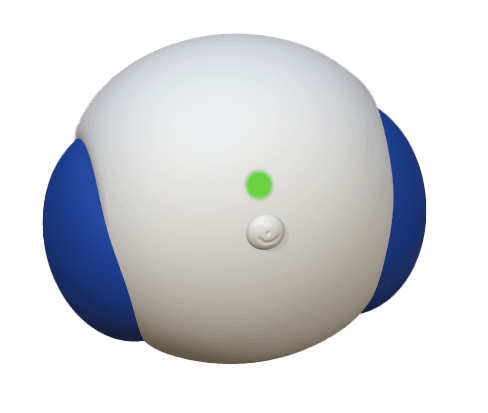
Created 3D model of Ball-Bot toy
This case study is a course project for University of Toronto’s Master’s level Fundamental of UX course
The core goal of this project is to:
Help people’s cats and dogs that need enrichment play with toys that are fun and challenging to achieve the pets' best physical and mental self.
The problem:
Pets are under-stimulated when they are home alone for a long time.
The solution
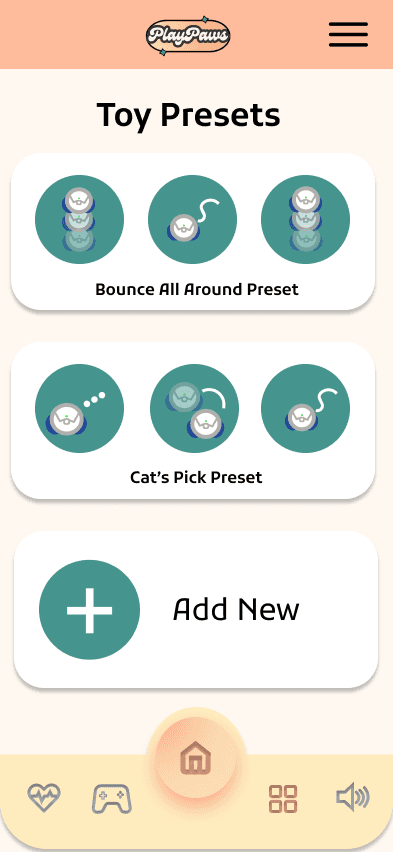
Creating an app for an imaginary interactive toy that can keep pets happy and engaged



Phase 2: Definition
The pet industry is a booming market, with a growing trend.
90% of pet owners view their pets as their family member and are willing to spend money to improve their physical and mental health.
Two clear trends emerged
Limited Longevity: Pets quickly grow bored with repetitive interactions.
Lack of Multi-Functionality: Most products focus on either physical or mental stimulation—not both.
We looked at some of our competitors:


FitBark
Great for tracking health, but it’s purely observational—there’s no interactive element to keep pets actively engaged.
Wickedbone by Cheerble
An innovative interactive toy, but its pre-set features feel limiting, and it requires pet parents to activate it manually.



Here, the outcomes and achievements of the project are highlighted, including user feedback, adoption rates, and industry recognition.
Increased Efficiency
Users report significant time savings and improved productivity through optimized scheduling recommendations.
Positive User Feedback
High user satisfaction ratings and positive reviews highlight the app's intuitive interface and powerful AI capabilities.
Growing User Base
The app quickly gained traction among individuals and businesses worldwide, with a steady increase in user adoption and engagement.